Virtual Server;
A virtual server refers to a portion of a physical server that is separated through virtualization "VM" and made available to the user. In other words, virtualization is the partitioning of a server into independent units, in such a way that these units have absolutely no effect on one another. Additionally, in a virtual server, the processor cores are utilized on a shared basis. If one of the "VPSs" receives an unexpected and high amount of traffic, it is the job of the virtualization machine to allocate a processor for each server to ensure that the traffic of one server does not affect other servers. Typically, Windows and Linux operating systems are installed on virtual servers based on a user's needs. In Windows virtual servers, administrator user access is provided via a protocol called Remote Desktop. In Linux, however, root user access is possible through "SSH" protocols. Windows virtual servers include a graphical interface. Of course, you can also receive your server with a command line without a graphical interface if you prefer. A Linux server with source code offers full transparency in terms of editability and program structure. For this reason, Linux virtual servers seem ideal for companies that need reliable and control-oriented hosting space. Choosing the operating system for a phone server is very important. This is because sometimes the type of Android emulation that can be installed on these two operating systems differs.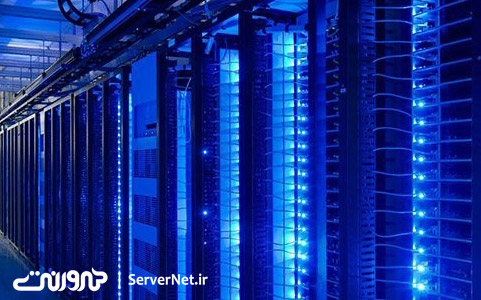
What does an Android Virtual Server mean?
Android developers may want to test their applications before they are finalized. On the other hand, gamers may want to use a mouse and keyboard while playing. In any case, emulating the Android environment on a computer is not that easy. Windows allows you to use the basic and original Android app in Windows 11, and this is also possible on Linux, which we will mention later in this article. Android virtual servers are created based on the Android Virtual Machine or an emulator. If, after obtaining a virtual server, you install the Android emulator and the Android Virtual Device "AVD" on it, you can have the Android environment with its various features, including Wear OS and Android TV.What does an Android Emulator mean?
The reason for the immense popularity of developers working in the Android environment is its widespread popularity and fame among people. Sometimes running and testing heavy Android applications on a phone server is difficult, and this is where Android emulation comes to your aid. Android emulators run the Android operating system in a virtual machine "AVD" (Android Virtual Device). In simpler terms, Android Virtual Devices "AVD" allow you to model a real device by defining the hardware and software that it actually emulates. By installing an Android emulator, you will be able to have your applications on various devices and Android API levels without needing to own a mobile phone. The Android emulator provides you with almost all the features of a real Android device. Some Android emulations can be installed on a virtual server running Windows or Linux operating systems.
Introducing some of the best Android emulations for Android virtual servers on Windows;
-
Android Studio;
-
AVD;
-
LD Player
Comments 0
No comments yet — be the first!